
How to Troubleshoot Common Engine Problems at Home


Understanding Your Engine
Dealing with engine problems can be daunting, but having a basic understanding of common issues can empower you to troubleshoot them at home. While some problems may require professional help, others can be resolved with simple tools and techniques.
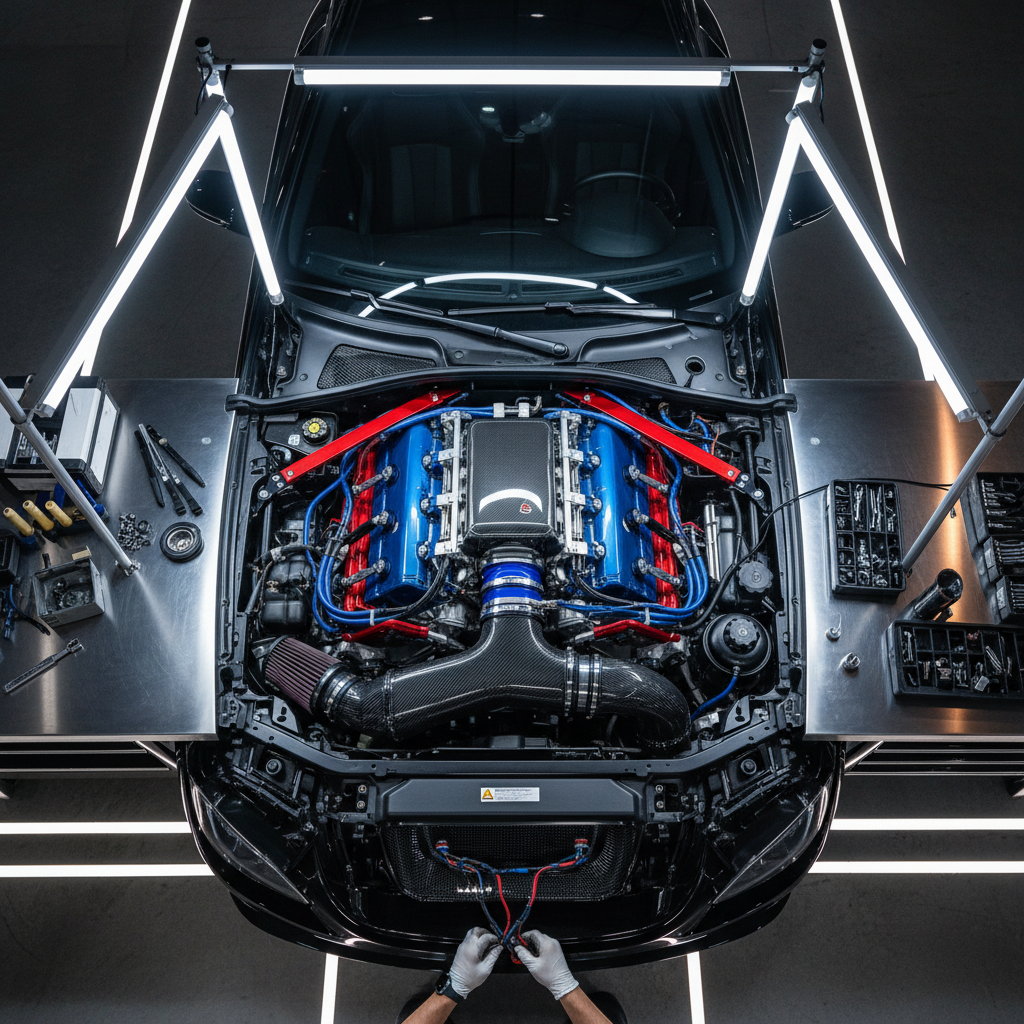
Identifying Unusual Noises
Engines can create a variety of noises that indicate potential issues. Listen for knocking sounds, which often suggest problems with the engine's combustion process. A persistent squealing noise might point to a worn-out belt.
To investigate, follow these steps:
- Check if the noise occurs during specific actions, like accelerating.
- Inspect the belts and pulleys for wear.
- Consider the engine's oil level and quality.
Dealing with Overheating
Overheating is a common engine problem and can lead to serious damage if not addressed. Often, it’s caused by issues in the cooling system. First, check the coolant level and ensure there are no leaks in the system. Look at the radiator and hoses for any visible signs of damage.
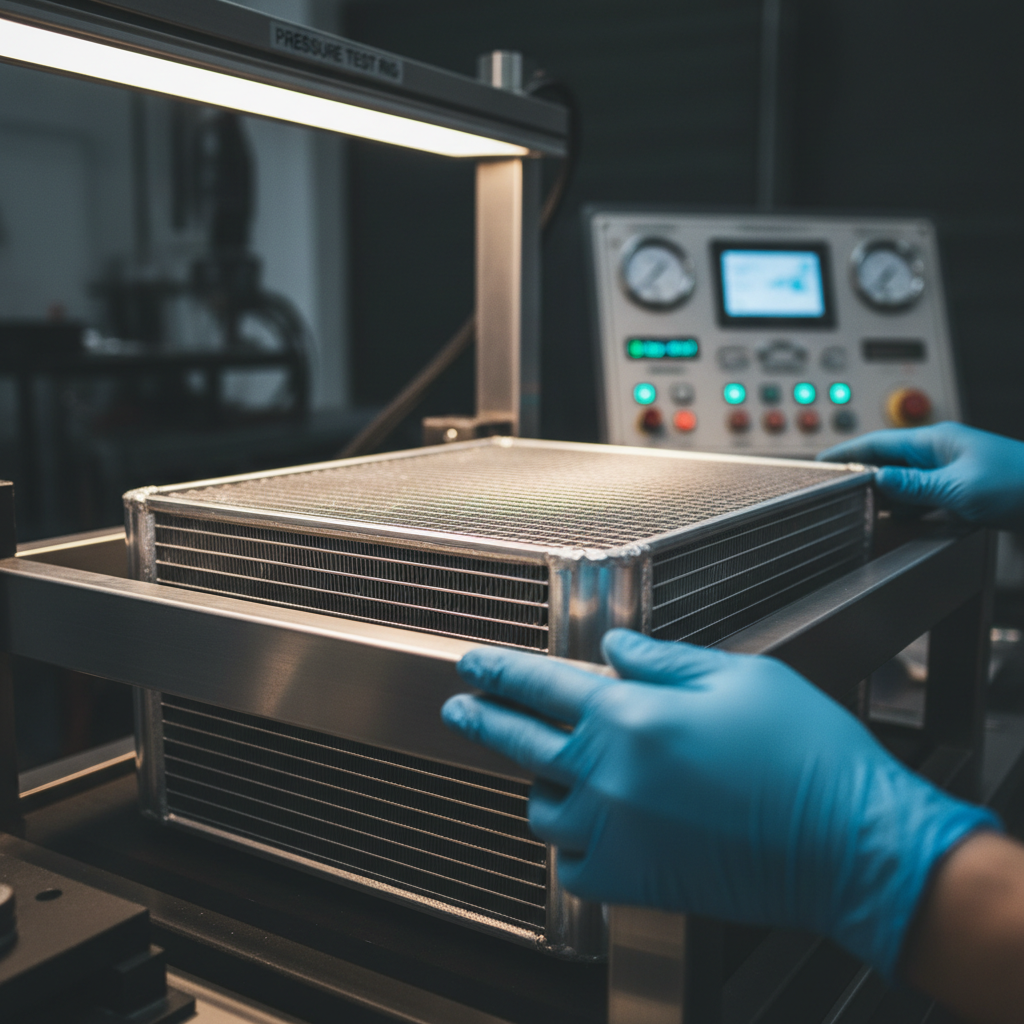
If the coolant level is adequate, the problem might be with the thermostat or the radiator fan. Observe if the fan starts when the engine gets hot. A malfunctioning fan might need replacement.
Addressing Starting Problems
If your engine struggles to start, the issue might be with the battery or the spark plugs. Here’s how you can troubleshoot:
- Battery: Check for corrosion on the terminals and ensure it’s charged.
- Spark Plugs: Inspect for wear or carbon buildup and replace if necessary.

Handling Poor Fuel Efficiency
Poor fuel efficiency can be frustrating and costly. It often results from dirty air filters, faulty oxygen sensors, or fuel system issues. Regularly replacing air filters can improve engine performance and efficiency.
Additionally, have your oxygen sensors checked periodically. Faulty sensors can lead to incorrect fuel-to-air ratios, affecting efficiency.
When to Seek Professional Help
While troubleshooting at home can solve many engine issues, some problems require professional expertise. If you encounter persistent issues or if the problem seems complex, it's best to consult a qualified mechanic. Regular maintenance and professional inspections can prevent many common engine problems.
Remember, safety is paramount. If you're unsure about any procedure, seek professional assistance to avoid potential hazards.