
Myth-Busting: Common Misconceptions About Engine Diagnostics


Understanding Engine Diagnostics
Engine diagnostics can often seem like a complicated subject filled with technical jargon. However, it’s a crucial aspect of maintaining your vehicle's health. Unfortunately, several misconceptions surround this topic, leading to confusion and sometimes unnecessary expenses. In this post, we’ll debunk some common myths and clarify the facts.
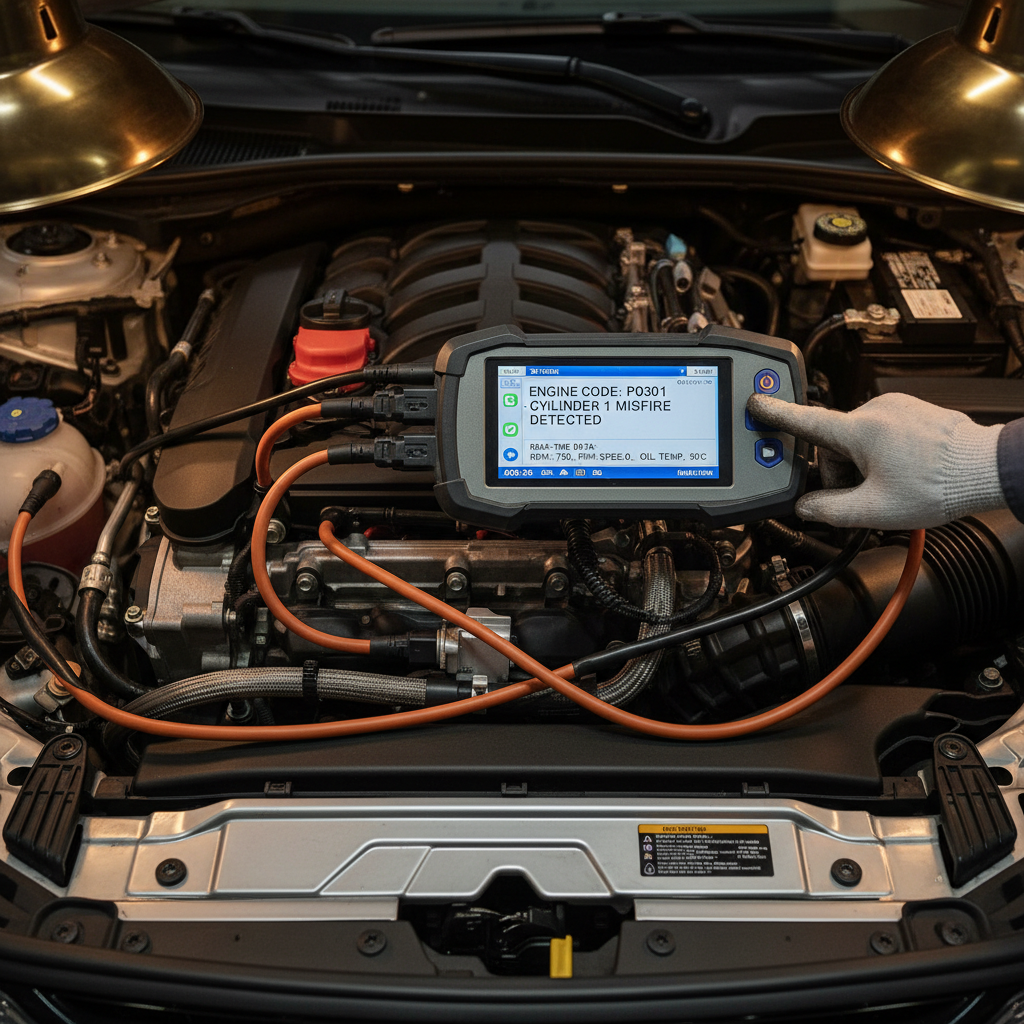
Myth 1: Engine Diagnostics Are Only Necessary When the Check Engine Light Is On
One of the most prevalent myths is that engine diagnostics are only needed when the check engine light illuminates. In reality, regular diagnostics can help identify potential issues before they become major problems. This proactive approach can save you money and prevent unexpected breakdowns.
Myth 2: Engine Diagnostics Are Too Expensive
Many people avoid diagnostics because they believe it's an expensive process. While costs can vary, engine diagnostics are generally affordable and can prevent more costly repairs in the future. Investing in diagnostics is a smart move for maintaining your vehicle’s longevity.

Myth 3: All Diagnostic Tests Are the Same
Not all diagnostic tests are created equal. Different tests can identify various issues, ranging from simple sensor malfunctions to more complex engine problems. It’s essential to have a skilled technician who understands which tests are appropriate for your specific situation.
The Benefits of Regular Diagnostics
Apart from debunking myths, it’s important to highlight the benefits of regular engine diagnostics:
- Early Detection: Identifying issues early can prevent further damage.
- Cost Efficiency: Avoid expensive repairs by addressing minor issues promptly.
- Peace of Mind: Knowing your vehicle is in good shape provides confidence while driving.

Myth 4: DIY Diagnostics Are Just as Effective
With the availability of DIY diagnostic tools, some car owners believe they can handle diagnostics themselves. While these tools can be helpful, they often lack the precision and comprehensiveness of professional equipment. A trained technician can provide a more accurate analysis and solution.
Myth 5: Diagnostics Can Fix the Problem
It's crucial to understand that diagnostics themselves do not fix problems; they only identify them. Once the issue is diagnosed, appropriate repairs need to be made. Diagnostics are the first step in a process that ensures your vehicle remains reliable.
In conclusion, understanding the realities of engine diagnostics can lead to better maintenance decisions. By dispelling these myths, car owners can approach diagnostics with confidence, ensuring their vehicles operate smoothly and efficiently.